

What We Choose and Why It Matters: On Slow Fashion, Craft, and the Values a Wardrobe Can Carry
The word slow, applied to fashion, is not about pace. It is about depth. It describes an approach to making clothes that begins with questions that speed cannot answer: What is this garment truly for? Who will make it, and under what conditions? What material will serve the wearer best, not for a season, but for years? What does it mean to build something worth keeping?
Slow fashion is the practice of taking those questions seriously. It is a philosophy of making and of wearing, grounded in craftsmanship, in the ethics of production, in an understanding of materials that goes beyond their visual appeal, and in a particular relationship between a woman and the clothes she chooses to live in. It is not a category. It is a conviction.
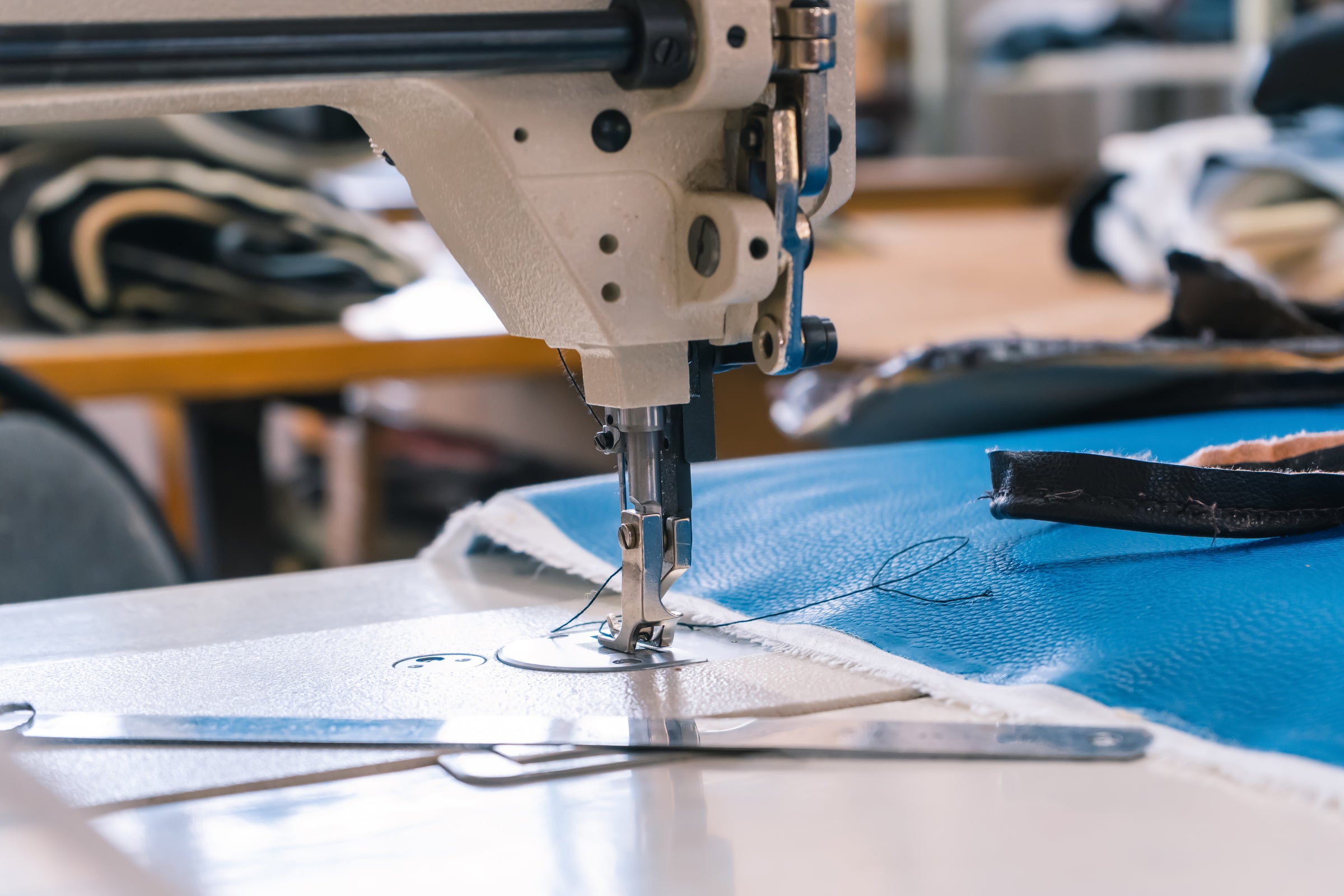
At the centre of the slow fashion philosophy is a belief about craft. Making a garment well is not simply a technical act. It is a relationship between a maker and a material, mediated by skill that takes years to build and attention that cannot be replicated at volume. A tailor who understands how virgin wool behaves at the shoulder of a double-breasted jacket, how much ease to allow so that the piece sits correctly when buttoned and moves freely when it is not, is doing something qualitatively different from production optimised for speed. That difference is present in the finished garment, for anyone who takes the time to look.
Slow fashion asks that this difference be acknowledged and valued, including in how the people who do this work are compensated. The craftspeople who make genuinely well-constructed clothing have spent years developing knowledge that is specific, embodied, and irreplaceable. Paying them fairly is not a cost to be minimised. It is a recognition of what they contribute, and it is inseparable from the quality of what they produce.
The materials from which a garment is made are the most direct expression of a slow fashion commitment. Natural fibres — virgin wool, GOTS-certified organic cotton, silk, linen — have been at the centre of fine clothing for centuries because they perform beautifully over time. They breathe. They respond to care. They age in ways that deepen rather than diminish the garments they constitute.
The choice of natural fibres is also a choice with consequences that reach beyond the garment itself. GOTS-certified organic cotton is produced without the synthetic pesticides and chemical treatments that affect the land and the communities that work it. Virgin wool, properly sourced, is a renewable natural resource with a lower environmental footprint than synthetic alternatives that shed microplastics with every wash. These are not incidental considerations. They are woven into every material decision behind From Paris to London, and they are part of what gives each piece its particular integrity.
The Wardrobe as Biography
The clothes a woman chooses carry her values as clearly as they carry her silhouette. Choosing slow fashion is making a statement — not loudly or with any need for explanation, but with complete precision — about what she believes quality means, how she thinks about the relationship between making and wearing, and what she considers worth her genuine attention.
It says that she values the hands that made what she is wearing. That she cares about the land from which the fibre came and the conditions in which it was processed. That she prefers to own fewer things of real substance, chosen with care, over more things that ask nothing of her and give nothing back. This is not a sacrifice of beauty or pleasure. It is a refinement of both. The slow fashion wardrobe is not smaller because it is constrained. It is smaller because each piece in it has been chosen with enough care that it earns its place.
A slow fashion garment carries, in its construction, the full attention of the hands that made it. That is part of what you are holding.
There is something that slow fashion makes possible, harder to articulate than craftsmanship or environmental consideration but no less real. A wardrobe built on well-made pieces, accumulated with intention over time, becomes a record of its owner. The blazer chosen at a specific moment in a life, worn to a room that mattered, returned to years later with the same quality of presence. The dress that still fits, still feels right, still says the thing it said the first time it was worn. These are not accidents of sentiment. They are the natural consequence of choosing clothes that were built to last long enough to accumulate meaning.
The pieces that remain in a wardrobe longest are not always the most expensive. They are the ones chosen with sufficient attention that they continue to feel true across different chapters of a life. Slow fashion produces clothes capable of exactly that kind of longevity, because they were designed and constructed with it as the entire point.
From Paris to London by UNROOTD CHAPTRS is a limited, exclusive, and deeply intentional collection. Each piece is made in France, in our atelier in Lyon, from materials chosen for their quality, their longevity, and their relationship with the values described above. The collection does not follow a seasonal cycle. It is not designed to be replaced. It is designed to be worn, kept, and returned to.
Choosing slow fashion is not a trend to follow or a compromise to accept. It is a position that says, clearly and without apology, that how something is made matters. That what you wear is one of the most direct expressions of what you believe. And that a piece of clothing worthy of that belief is, always, worth the care it took to make it.